Safepal wallet: S1 hardware setup, sending, and storage
Safepal wallet Is an S1 hardware wallet guide for setup, sending, and storage
Safepal wallet Is a hardware-and-app crypto wallet system built around offline key storage, QR-code signing, and mobile asset management. For a user comparing wallet options, the main idea is simple: the SafePal S1 keeps private keys away from internet-connected devices, while the SafePal app prepares transactions, displays QR codes, and broadcasts signed transfers. That workflow can help reduce exposure, but users still need careful backup habits and must verify current details with official SafePal sources.
What is Safepal wallet?
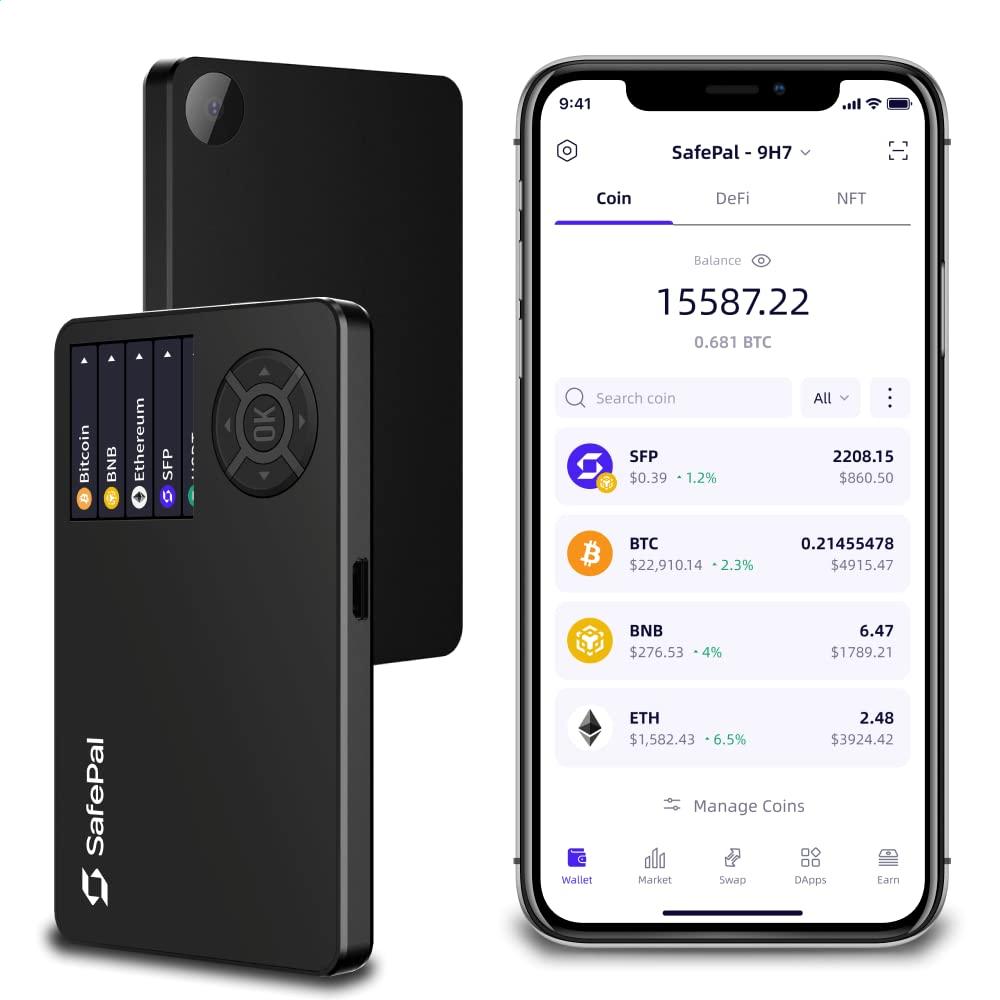
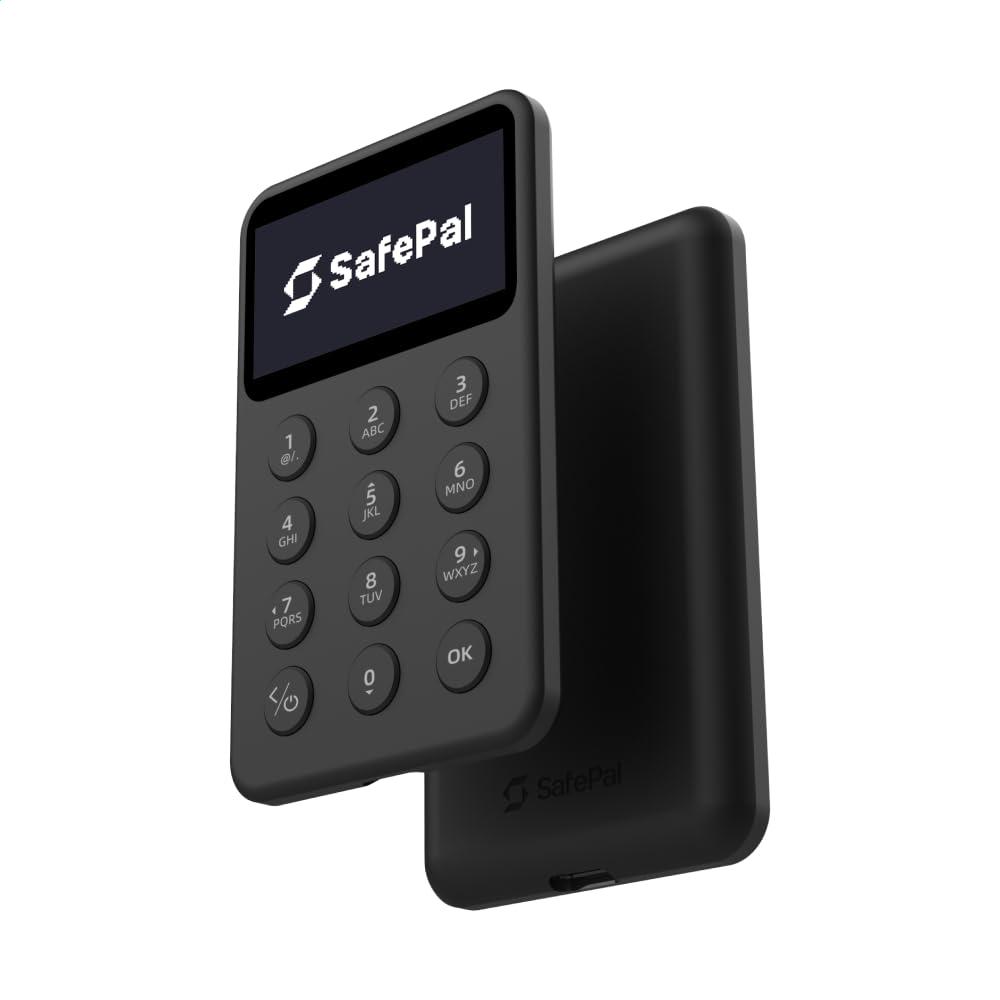
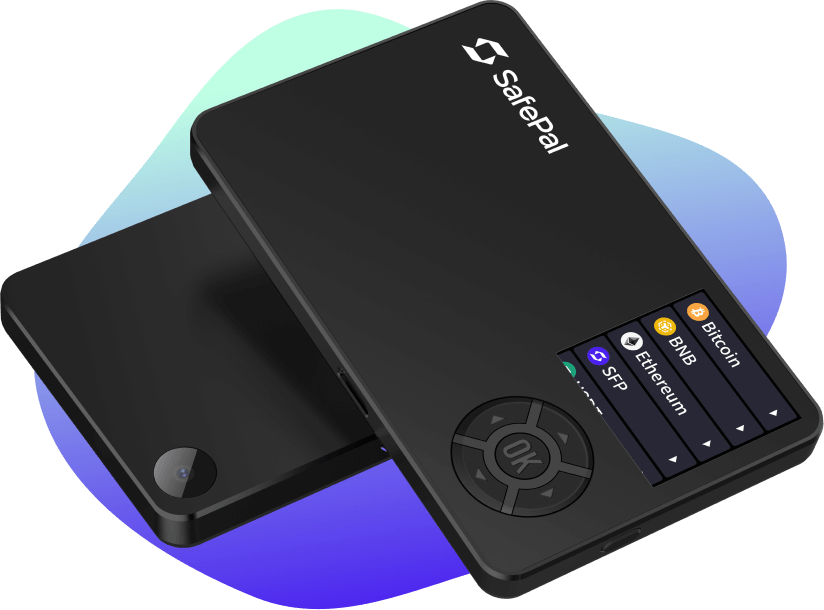
Safepal wallet is commonly used to describe the SafePal ecosystem, especially the SafePal S1 hardware wallet paired with the mobile app. The hardware device is designed for cold storage, meaning the signing keys stay on a separate device rather than sitting directly inside a phone browser, exchange account, or desktop extension. Safepal wallet can be used for holding, receiving, and sending supported cryptocurrencies and tokens, including common network assets and many token standards.
Safepal wallet matters because crypto ownership depends on control of private keys. A custodial exchange may be convenient, but it holds assets on behalf of users. A software wallet gives more direct control, but it normally operates on a connected phone or computer. Safepal wallet sits between convenience and stronger isolation by letting the phone handle the interface while the dedicated device handles sensitive signing steps.
Safepal wallet is not a bank account, investment product, or guarantee that assets will increase in value. It is a tool for managing keys and signing transactions. The quality of the user workflow depends on the device setup, firmware condition, supported networks, correct addresses, and the user's own backup discipline. Anyone using Safepal wallet should confirm coin support, app behavior, and security instructions on official SafePal materials before moving meaningful funds.
How does Safepal wallet work with the S1 device?
Safepal wallet works by separating transaction preparation from transaction approval. In practice, the mobile app can show balances, generate receiving addresses, and build an unsigned transaction. The S1 hardware wallet then scans a QR code from the app, shows important transaction details on its own screen, and signs the transaction internally after the user enters the device PIN and approves it.
Safepal wallet then returns the signature to the app through QR codes shown on the S1 screen. The mobile app scans those codes and broadcasts the signed transaction to the relevant blockchain network. This QR-based process is often described as air-gapped because the signing device does not need to connect by USB data cable, Bluetooth, Wi-Fi, or a browser extension during normal signing.
Safepal wallet still depends on careful visual verification. The app can help prepare a transfer, but the trusted check should happen on the hardware wallet display. A user should compare the asset, network, recipient address, and amount before approving. If the hardware wallet screen and the phone screen disagree, stop and investigate rather than assuming the phone is correct.
How to set up Safepal wallet for the first time
Safepal wallet setup begins before any crypto is received. A new device should be inspected, initialized in a private place, and configured with a PIN. The recovery phrase should be written on paper or another offline backup medium, then stored somewhere resistant to loss, theft, and accidental disclosure. The phrase is the real emergency access method; if someone else gets it, they may be able to restore the wallet.
Safepal wallet users should avoid taking screenshots, cloud notes, email drafts, or photos of the recovery phrase. Digital copies defeat much of the benefit of using a hardware wallet. The phrase should be checked during setup according to the device prompts, because one wrong word or order mistake can make recovery difficult later. A small test deposit is a sensible first transaction before larger transfers are attempted.
Safepal wallet setup also includes pairing or synchronizing the hardware device with the SafePal app. The exact steps can vary by app version and supported networks, so users should treat official instructions as the final reference. The general flow is to initialize the device, install the mobile app from a trusted source, pair the device, add desired coins or tokens, and confirm that the app and device display consistent account information.
How do you add coins and tokens in Safepal wallet?
Safepal wallet usually requires users to enable assets before they are easy to view and manage. In the mobile app, users can search for a coin or token, turn it on, and synchronize the selection with the S1 device. This matters because modern wallets may support many chains and tokens, but the interface needs to know which accounts the user wants to see.
Safepal wallet users should pay attention to the difference between a coin, a token, and a network. A native coin is used directly on its own blockchain, while a token may exist on a network such as Ethereum, BNB Smart Chain, Kaia, or another compatible chain. A token with a familiar ticker can exist on multiple networks, so the network label matters as much as the token name.
Safepal wallet can be useful for managing multiple asset types, but support changes over time. Before sending funds to a newly added asset, check that the exact network and token contract are supported. Sending a token over the wrong network can create recovery problems or permanent loss. For related basics on storage models, the can help explain why device-based signing differs from app-only wallets.
How do you receive crypto with Safepal wallet?
Safepal wallet receiving is usually straightforward: select the asset, choose the receive option, and copy or display the receiving address. The app may show a QR code, and the S1 device may also display an address or QR code for verification depending on the asset and workflow. The safest habit is to compare the address shown in the app with the address shown on the hardware wallet screen.
Safepal wallet users should never rely only on the first and last characters of an address when moving large amounts. Address-replacement malware, clipboard errors, and wrong-network deposits are common crypto hazards. For a first transfer, send a small test amount, wait for network confirmation, then reuse the verified process for the larger amount if everything matches.
Safepal wallet does not control blockchain settlement times or network fees. Receiving crypto may take seconds, minutes, or longer depending on the chain, congestion, and the sender's fee settings. A pending transaction is not the same as a confirmed balance. Users should confirm transactions with the app, a reputable block explorer, or official network tools when timing matters.
How do you send crypto with Safepal wallet?
Safepal wallet sending typically starts in the mobile app. The user chooses the asset, enters the destination address, picks the amount, reviews network fee information, and proceeds to signing. The app displays transaction data as a QR code. The S1 device scans that code, receives the unsigned transaction details, and asks the user to review and authorize the signing step.
Safepal wallet then shows signed data as QR codes on the hardware device. The app scans those codes and broadcasts the transaction to the blockchain. This back-and-forth scanning is the core S1 workflow. It may feel slower than tapping a software wallet confirmation, but the tradeoff is that the private key is not being exposed to the online phone during signing.
Safepal wallet users should build a repeatable sending routine. A simple process reduces avoidable errors:
Confirm the asset and network before entering the recipient address.
Use a small test transaction for new addresses or unfamiliar networks.
Read the amount, fee, and address details on the S1 screen.
Reject the transaction if anything looks unexpected.
Wait for confirmations before assuming the transfer is final.
Safepal wallet transactions are generally irreversible once broadcast and confirmed. If funds are sent to the wrong address or the wrong chain, there may be no practical recovery path. This is why the hardware wallet screen review is not a formality; it is the main point at which the user can still stop a bad transaction.
What are the main benefits of Safepal wallet?
Safepal wallet is attractive to many users because it combines a dedicated signing device with a phone-based interface. The phone provides a familiar touch interface, portfolio view, and network access. The hardware wallet provides a separate approval environment. For people who mostly manage crypto from a mobile device, this pairing can be more natural than a desktop-first setup.
Safepal wallet also appeals to users who like QR signing. Without Bluetooth or USB data signing in the normal flow, the S1 device can stay physically separate from internet-connected systems. That does not make the user immune to mistakes, scams, or malicious contracts, but it can reduce certain attack paths that target software wallets and browser sessions.
Safepal wallet can be useful for long-term holding, periodic transfers, NFT and token management where supported, and separating savings from active trading funds. Some users keep a smaller hot wallet for frequent activity and use Safepal wallet for funds they do not need to move every day. That separation can limit the damage from a compromised phone app, phishing site, or careless approval.
Is Safepal wallet safe for everyday crypto storage?
Safepal wallet can improve key security when it is purchased, initialized, backed up, and used correctly. The main security benefit is that private keys remain inside the hardware device during signing. However, safety is never absolute. A stolen recovery phrase, fake app, malicious token approval, wrong address, or social-engineering scam can still lead to loss even when a hardware wallet is involved.
Safepal wallet users should buy devices from trusted channels, verify packaging and setup prompts, keep firmware and apps updated through official sources, and never type the recovery phrase into a website or phone app. Any message claiming that a wallet must be revalidated by entering seed words online should be treated as a scam. Support teams should not need the recovery phrase.
Safepal wallet is also affected by smart contract risk. Signing a token transfer is different from approving a decentralized application to spend tokens. Before interacting with DeFi apps, bridges, or NFT marketplaces, users should understand what the transaction authorizes. For broader defensive habits, the covers backups, address checks, and phishing prevention in more detail.
How does Safepal wallet compare with other wallet choices?
Safepal wallet is one option in a wider wallet landscape. Software wallets are fast and flexible, especially for small balances and frequent decentralized app use, but they rely on connected devices. Custodial exchanges simplify recovery and trading, but users depend on the platform's custody controls. Hardware wallets add another device and more steps, but they can provide stronger private-key isolation.
Safepal wallet differs from some hardware wallets by emphasizing camera-based QR signing and a mobile app workflow. Other devices may focus on USB desktop use, Bluetooth pairing, touchscreens, or companion browser extensions. The best fit depends on the user's habits, supported chains, accessibility needs, budget, and comfort with backups. A wallet that supports the wrong network or feels too confusing can be a poor choice even if its security model is strong.
Safepal wallet should be compared on practical criteria rather than brand familiarity alone. Users should check supported assets, firmware history, recovery process, official documentation, app availability, screen readability, transaction review detail, and customer support channels. No wallet removes the need to understand basic crypto transfer mechanics. A careful user with a modest wallet can be safer than a careless user with premium hardware.
Who is Safepal wallet best suited for?
Safepal wallet is best suited for users who want self-custody and are willing to protect a recovery phrase responsibly. It can fit someone who stores crypto for weeks, months, or longer and does not want all signing authority on a daily-use phone. It can also fit mobile-first users who prefer scanning QR codes over managing desktop cables or browser extensions.
Safepal wallet may be less convenient for someone who makes constant small trades, frequently tests new decentralized apps, or cannot safely store a recovery phrase. For those users, a layered approach may work better: a small hot wallet for experimentation and Safepal wallet for assets that should move rarely. The important point is to match the wallet to the risk profile and actual behavior.
Safepal wallet is not a substitute for research into the assets being held. Crypto prices can be volatile, networks can change, and token contracts can carry technical risk. Before using Safepal wallet for a new chain or token, confirm current support, fees, address format, and recovery implications through official sources. Good storage habits protect access; they do not make any asset financially safe.
What should you remember before using Safepal wallet?
Safepal wallet is most useful when treated as part of a complete security routine. The S1 device can keep keys offline during signing, the app can make daily management easier, and QR codes can move transaction data without direct data pairing. Those benefits are strongest when the user slows down, checks the hardware screen, and keeps the recovery phrase private.
Safepal wallet also requires patience. Add assets carefully, test new receiving addresses, understand the network you are using, and verify fee and destination details before broadcasting. When something feels rushed, unfamiliar, or emotionally pressured, pause. Many crypto losses come from urgency rather than device failure. Used with disciplined habits, Safepal wallet can be a practical cold-storage tool for everyday self-custody.
Reader rating:
4.9 / 5
based on 921 ratings
Questions and Answers
What is Safepal wallet used for?
Safepal wallet is used to store private keys, receive crypto, send supported assets, and manage tokens through the SafePal app and hardware wallet workflow. The SafePal S1 device signs transactions offline, while the mobile app prepares and broadcasts them. It is mainly useful for self-custody users who want more separation between private keys and internet-connected phones or computers.
How does Safepal wallet sign transactions?
Safepal wallet uses a QR-code signing process with the S1 hardware wallet. The mobile app creates an unsigned transaction and shows it as a QR code. The S1 scans the code, displays transaction details, and signs internally after user approval. The device then shows signed QR codes for the app to scan and broadcast to the blockchain network.
Is Safepal wallet safer than a software wallet?
Safepal wallet can reduce some risks because private keys stay inside a separate hardware device instead of a connected phone or browser wallet. However, it is not automatically safe in every situation. A stolen recovery phrase, fake app, phishing site, wrong address, or risky smart contract approval can still cause loss. Users should verify details and follow official SafePal guidance.
Can Safepal wallet receive different coins and tokens?
Safepal wallet can support many coins and tokens, but exact support depends on the device, app version, network, and current SafePal listings. Users usually need to add or enable an asset in the app before managing it. Always confirm the correct blockchain network and token contract before receiving funds, especially when the same ticker exists on multiple networks.
What happens if I lose my Safepal wallet device?
If the device is lost, the recovery phrase is the critical backup. A user can usually restore access with the correct recovery phrase on a compatible wallet, assuming the phrase was recorded accurately and kept private. If both the device and recovery phrase are lost, funds may be unrecoverable. If someone else has the phrase, they may be able to move the assets.
Does Safepal wallet charge transaction fees?
Safepal wallet itself does not control blockchain network fees. When sending crypto, users generally pay the network fee required by the blockchain being used. Fees vary by chain, congestion, transaction type, and fee settings shown in the app. Users should review fee details before signing and verify current information through the official app and network resources.
Should beginners use Safepal wallet?
Beginners can use Safepal wallet if they are ready to learn self-custody basics, especially recovery phrase protection, address verification, and network selection. It may feel less convenient than an exchange account at first because the user is responsible for backups and transaction review. Starting with small test transfers helps build confidence before moving larger amounts.
Hardware wallets reinvented the wheel by keeping private keys (needed for signing transactions) in an offline environment separate from internet connections, avoiding the numerous hacks or threats that arise from software wallets reliant on internet connectivity. This way, users' crypto assets are more secured and shielded from internet dangers brought on by software wallets.
One of such hardware wallets that has integrated with Kaia is
SafePal S1 Hardware Wallet
. SafePal S1 is a cryptocurrency hardware wallet that aims to provide a secure, simple, and enjoyable crypto management solution for the populace. SafePal is an hardware wallet to secure and manage cryptocurrencies and NFTs, such as Bitcoin, KAIA, Kaia Compatible Tokens (KCT), ETH and ERC20 tokens e.t.c.
In this guide, you will:
Add, Receive and Send KAIA, and any Kaia Compatible Tokens(KCT) with SafePal S1 Hardware Wallet
After you must have successfully set up your wallet, next is to see the wallet in action. In this tutorial we will be adding, receiving and sending KAIA native coin, and any Kaia Compatible Tokens(KCT) using the SafePal S1 Hardware Wallet.
To add crypto tokens to your hardware wallet, kindly follow the steps below:
Step 1
: Open the SafePal App and in your Wallet tab, click the ellipsis icon and then click the Manage Coins button as shown in the picture below:
Step 2
: Search for the coins you want to add, then toggle them on.
Native Tokens - KAIA
Type KAIA in the search bar and toggle it on.
Fungible Tokens - USDT
Type USDT Kaia in the search bar and toggle it on.
Step 3
: Click
Add Coin
at the bottom.
Step 4
: Scan back and forth between the SafePal App and the S1 hardware wallet, enter your device PIN code, so that the data is correctly synchronized between the App and the device.
Step 4
: After the coin has been added successfully, you can now view them in the
Asset Management
tab on the S1 device.
note
The steps above apply to adding any Kaia Compatible Tokens.
Once the coins (KAIA, KCTs) are successfully added, you can view them in the
Asset Management
tab on the S1 device. You can receive crypto tokens using the following approach:
To send crypto tokens from your hardware wallet, kindly follow the steps below:
Step 1
: On the SafePal App, choose the coin you want to send and click
Send
.
Native Tokens - KAIA
Fungible Tokens - USDT
Step 2
: Enter the destination address, amount, and click 'Next' to confirm the details again. Ensure to verify your transfer details in this step.
Step 3
: Initiate the signing process of the S1 device.
In this step, a QR code (as shown below) containing the transfer details will be displayed on the SafePal App. Start your S1 hardware wallet, and enter the
Scan
tab. Next is to scan the QR code on the SafePal App and enter your PIN code from your SafePal device.
Doing this ensures that the S1 device receives the transfer details in an offline environment.
Step 4
: Synchronize the signature back to the SafePal App
After successfully signing the transfer on the S1 device, you will see a set of dynamic QR codes shown on the S1 device. On the SafePal App, click 'Next' to open the cellphone camera. Use the SafePal App to scan the dynamic QR codes shown on the S1 device.
Doing this ensures the App receives the signature contained in the QR codes and is ready to broadcast the transfer to the blockchain (Kaia).
Step 5
: Click
Broadcast
on the App and wait for the transfer to go through
note
The steps above apply to sending any Kaia Compatible Tokens.