Safepal wallet: S1 setup, tokens, and transfers guide
Safepal wallet Is a practical crypto storage and transfer guide
Safepal wallet Is a crypto wallet ecosystem used to manage digital assets, pair with the SafePal S1 hardware wallet, receive tokens, send transfers, and review transaction details before approval. It is best understood as a combination of mobile app, supported blockchains, offline signing, seed phrase backup, QR code confirmation, and user-controlled custody. Anyone using it should verify supported coins, networks, fees, and setup instructions with official SafePal sources before moving meaningful funds.
Safepal wallet can be useful for people who want a clearer separation between everyday crypto activity and private key storage. The SafePal S1 device is designed around air-gapped signing, which means transfer details can be passed by QR code rather than by a USB or Bluetooth connection. The app helps the user view balances and build transactions, while the hardware device helps confirm and sign sensitive actions. That split is the central idea behind using Safepal wallet carefully.
What is Safepal wallet?
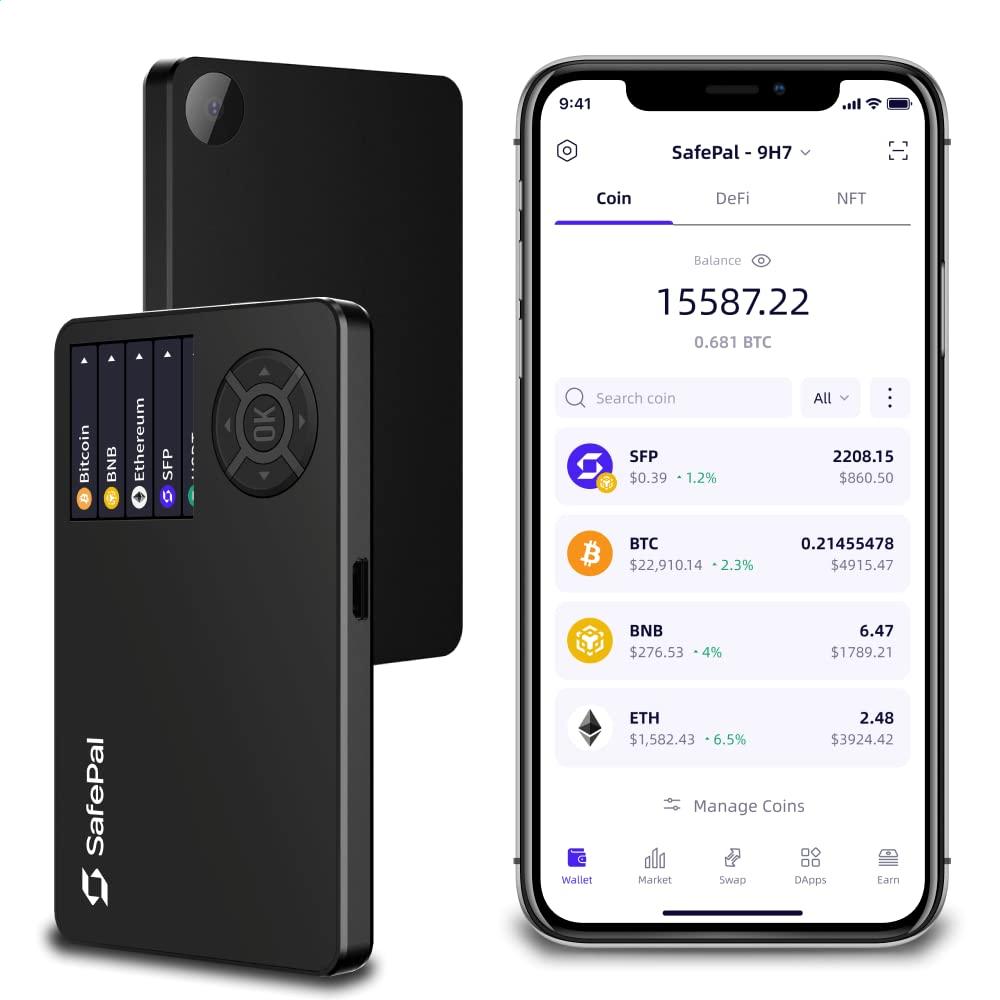
Safepal wallet is commonly used to describe the SafePal mobile wallet app and the broader SafePal hardware wallet experience, especially the S1 device. In simple terms, the app is where a user sees assets, adds supported coins, checks addresses, and prepares transactions. The hardware wallet is where private-key-related approvals happen when the setup is paired correctly. Safepal wallet therefore sits between convenience and self-custody, giving users tools to manage crypto while keeping key handling separate from normal phone activity.
Safepal wallet supports the kind of multi-chain behavior that many crypto users expect today. A single user may hold Bitcoin, Ethereum-based tokens, BNB Smart Chain assets, stablecoins such as USDT on different networks, NFTs, and chain-specific tokens. The important detail is that a token name alone is not enough. USDT on Ethereum, Tron, BNB Smart Chain, Polygon, or another chain may require a different network selection and a different receiving context. Safepal wallet users should always match the sending network with the receiving network.
For a new user, Safepal wallet should not be treated as an exchange account or a bank account. It is a self-custody wallet environment, which means the user is responsible for seed phrase handling, address verification, transfer review, network selection, and device security. That responsibility can be empowering, but it also removes many of the recovery paths people expect from custodial services. A mistaken network, exposed seed phrase, or approved malicious transaction can create losses that are difficult or impossible to reverse.
How does Safepal wallet work with the S1 hardware device?
Safepal wallet works by keeping different jobs in different places. The mobile app connects to blockchains, displays balances, helps manage visible assets, and prepares transactions. The S1 hardware wallet is used to confirm sensitive details and sign transactions offline. When the app needs approval, it can show QR codes for the hardware device to scan. After the S1 signs the transaction, the device shows signature QR codes for the app to scan and broadcast.
Safepal wallet users often describe this as air-gapped signing. The phrase means the signing device is intended to avoid direct internet connectivity during the approval process. The app is still online because it must check balances and broadcast transactions, but the private key material is meant to remain inside the hardware wallet environment. This design does not remove every risk, yet it can reduce exposure compared with entering a seed phrase into a phone, browser extension, or general-purpose computer.
In practice, Safepal wallet depends on careful human verification. A QR code can carry transaction information, but the user still needs to read the address, amount, asset, and network before signing. Malware, phishing pages, fake support accounts, clipboard substitution, and confusing token names remain common crypto risks. Safepal wallet can provide a stronger approval flow, but it cannot make an unsafe approval safe if the user confirms the wrong destination or gives a recovery phrase to someone else.
How do you set up Safepal wallet for the first time?
Safepal wallet setup starts with device authenticity, seed phrase creation, and pairing. A user should buy hardware from a trusted source, inspect packaging, follow the official setup flow, and make sure the device generates a new recovery phrase during initialization. If a supposedly new hardware wallet arrives with a preset PIN, missing recovery materials, a seed phrase already written down, or any unusual setup behavior, the safest response is to stop and verify the device before depositing assets.
Safepal wallet setup also includes recording the recovery phrase offline. The recovery phrase is the backup that can restore access if the hardware wallet is lost, damaged, or reset. It should not be photographed, typed into cloud notes, stored in email, pasted into chat, or entered into another wallet casually. For larger balances, many users prefer durable offline backups such as metal storage, but the key principle is the same: anyone who obtains the phrase can potentially control the assets.
Safepal wallet pairing connects the app view with the hardware wallet. After pairing, the app can show the wallet accounts and assets while the S1 remains responsible for approvals. The app password, phone lock, and device PIN matter, but they are not the same as the recovery phrase. Safepal wallet users should understand which secret protects which layer. A phone password protects local app access, a PIN protects the hardware device, and the recovery phrase can restore the wallet itself.
How do you add tokens and networks in Safepal wallet?
Safepal wallet normally requires users to make assets visible before they appear clearly in the app or hardware asset list. If a token does not show, that does not always mean the funds are gone. It may mean the token or chain has not been enabled, the wrong network is selected, the sending wallet used a different chain, or the transaction has not settled. This is especially common with stablecoins that exist across several blockchains.
Safepal wallet users can usually add assets through a manage-coins or asset-management flow in the app. The practical habit is to search not only for the token symbol but also for the network. For example, a user looking for USDT should check whether the transfer used Ethereum, Tron, BNB Smart Chain, Polygon, Arbitrum, Kaia, or another supported chain. A token may share a familiar ticker while representing a different contract or chain environment.
The same caution applies to native coins and compatible tokens. Safepal wallet may show a network's native asset, such as ETH for Ethereum or another chain's gas token, separately from tokens issued on that network. Sending a token often requires a small balance of the native coin to pay gas. Before moving funds, users should confirm the receiving address format, token contract, network name, and fee asset. For background on this concept, a broader can help explain why display settings and private key control are separate issues.
How do transfers work in Safepal wallet?
Safepal wallet transfers usually follow a prepare, verify, sign, and broadcast workflow. The app prepares the transaction after the user enters a recipient address and amount. The S1 hardware wallet reviews and signs the transaction after scanning the app's QR code. The app then scans the signed QR data from the device and broadcasts the transfer to the relevant blockchain. This process can feel slower than a hot wallet, but the extra friction is part of the security model.
Safepal wallet users should pause before broadcasting any transaction. Crypto transfers are generally final once confirmed on-chain, and wallet software cannot simply cancel a completed transfer. The review step should include the asset, chain, address, memo or tag if required, amount, and estimated fee. If sending to an exchange, the deposit page may require a specific network and may reject unsupported deposits. If sending to another wallet, a small test transfer can reduce the risk of a costly mistake.
A basic Safepal wallet transfer workflow often looks like this:
Choose the correct coin or token in the app.
Confirm the destination address and network with the recipient or platform.
Enter the amount and review the estimated network fee.
Scan the transaction QR code with the S1 device when hardware approval is required.
Scan the signed QR codes back into the app and broadcast only after checking the details again.
Safepal wallet can also be used for receiving assets. Receiving is usually simpler than sending, but it still requires network awareness. A user can copy an address or show a QR code, yet the sender must choose the same chain. If a deposit does not appear, the first checks should be the transaction hash, sending network, receiving address, token visibility settings, and whether the chain is supported by the app.
What fees should Safepal wallet users expect?
Safepal wallet does not make blockchain network fees disappear. When a user sends Bitcoin, Ethereum, BNB Smart Chain tokens, Tron assets, or assets on another network, the relevant blockchain fee rules still apply. Fees can change based on congestion, transaction size, gas price, UTXO structure, smart contract complexity, and priority settings. The wallet may display fee options, but the final cost is shaped by the network being used.
Safepal wallet users sometimes notice higher Bitcoin fees when sending most of a balance. One reason can be that a wallet balance is made of many unspent transaction outputs, often called UTXOs. Spending many small pieces can make the transaction larger and therefore more expensive. Address type can also matter, with SegWit and native SegWit often helping reduce fees compared with older formats when supported. Users should verify current fee estimates with reliable network tools before sending time-sensitive payments.
For token transfers, Safepal wallet users need the native gas asset of the chain. Sending an ERC-20 token normally requires ETH for gas. Sending a BEP-20 token normally requires BNB on BNB Smart Chain. Other networks have their own fee assets. A common user problem is holding the token but lacking the small native coin balance needed to move it. Safepal wallet can show the transaction, but the network will still require its gas rules to be satisfied.
Is Safepal wallet safe for storing crypto?
Safepal wallet can be part of a safer self-custody setup when the device is genuine, the recovery phrase is created offline, the app is downloaded from official channels, and the user verifies transactions before signing. The S1 hardware wallet model is built around keeping private keys away from an internet-connected phone. That is a meaningful security design choice, but no wallet can guarantee protection against every mistake, scam, compromised device, malicious contract, or supply-chain issue.
Safepal wallet safety depends heavily on recovery phrase discipline. Importing a hardware wallet seed phrase into a hot wallet can remove much of the benefit of using hardware storage. Once the phrase is typed into an internet-connected phone or computer, it may be exposed to malware, screenshots, keyboard monitoring, cloud backups, or fake wallet apps. If a user needs hot-wallet convenience, it is usually better to create a separate smaller-balance wallet rather than weaken the main cold-storage setup.
Safepal wallet users should also be careful with browser extensions, decentralized applications, staking sites, swap pages, and contracts that request broad token approvals. Some services only support certain wallet connectors, and not every hardware wallet works smoothly with every dApp. If an app does not support SafePal directly, forcing a workaround can introduce risk. Users should check official compatibility information, verify URLs manually, and avoid signing messages they do not understand.
Safepal wallet security habits should include updating firmware and apps through official channels, testing recovery procedures before large deposits, using a clean phone, locking the app, keeping the S1 PIN private, and rejecting unsolicited support messages. For a deeper foundation, an internal can help users compare seed phrase storage, phishing prevention, and approval hygiene without relying on brand-specific assumptions.
What are the main benefits of Safepal wallet?
Safepal wallet is attractive to users who want hardware-backed signing, multi-chain asset visibility, mobile convenience, and a QR-based approval flow. The app makes it easier to view many assets from one interface, while the hardware wallet helps create a more deliberate signing process. For users who move between Bitcoin, EVM networks, stablecoins, NFTs, and chain-specific tokens, the combined workflow can be more organized than juggling unrelated wallets.
Safepal wallet may also appeal to people who prefer a compact device and phone-centered workflow rather than a desktop-first wallet. The scan-based process can be convenient for users who do not want cables or browser extension dependencies for every transfer. The benefit is strongest when the user keeps the hardware wallet seed offline, limits risky dApp interactions, and treats the mobile app as a transaction interface rather than a place to expose secrets.
The biggest practical benefit of Safepal wallet is not that it removes responsibility. It is that it makes responsible behavior easier to structure. The user has a place to review assets, a separate device for signing, and a repeatable process for sending and receiving. When that process becomes routine, mistakes become easier to catch before they reach the blockchain.
How does Safepal wallet compare with other wallet choices?
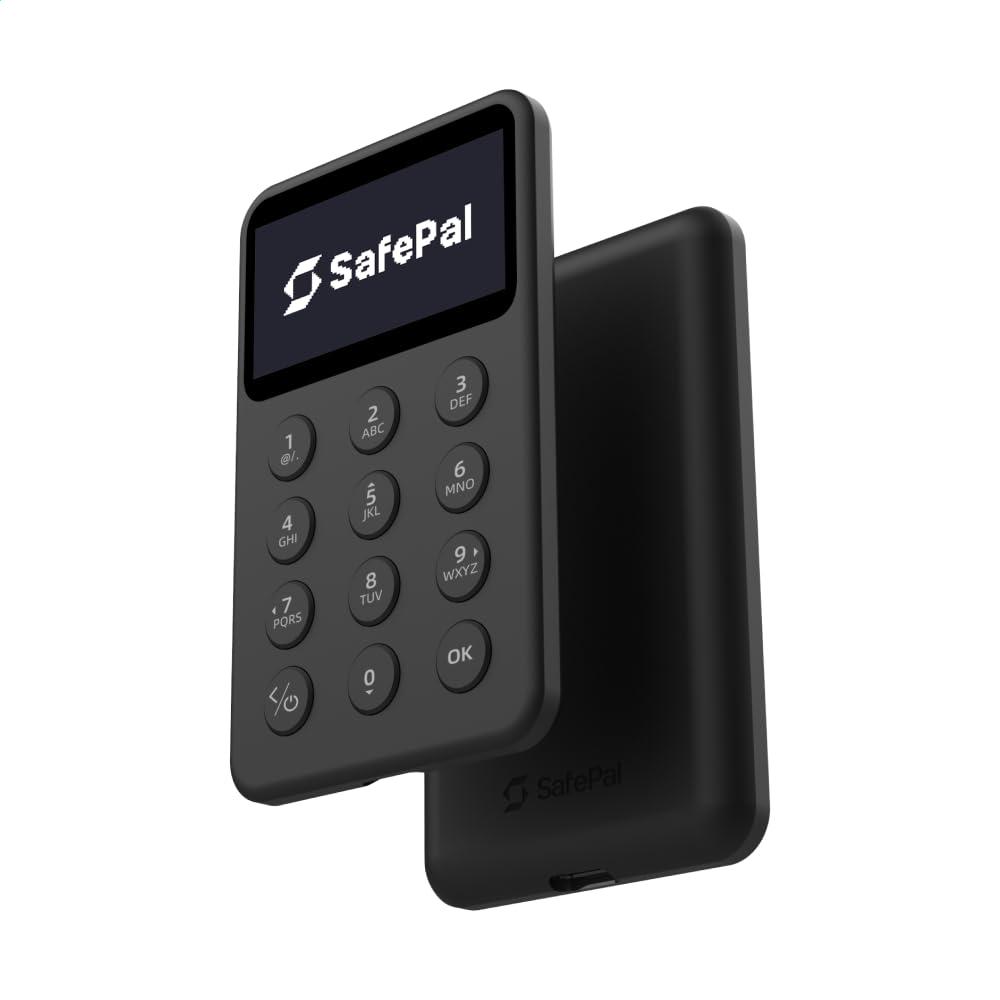
Safepal wallet sits in a broad category that includes hot wallets, hardware wallets, exchange accounts, browser extensions, and desktop wallets. A hot wallet may be faster for small daily transactions, but it usually keeps key material closer to an internet-connected environment. An exchange account may feel easier for buying and selling, but it is custodial and depends on the platform. A hardware wallet such as the SafePal S1 is intended for users who want stronger self-custody boundaries.
Wallet type
Typical strength
Main caution
Safepal wallet with S1
Offline signing and mobile asset management
Requires careful setup, phrase storage, and network checks
Hot mobile wallet
Fast access for small transactions
More exposure if the phone or app is compromised
Exchange account
Simple trading and fiat access
User does not directly control private keys
Browser extension wallet
Convenient dApp connection
Higher phishing and malicious-site exposure
Safepal wallet is not automatically the best choice for every situation. A person who trades frequently may keep a small amount in a hot wallet or exchange account for convenience. A long-term holder may prefer stricter hardware-wallet habits and fewer dApp approvals. A Bitcoin-only user may want a desktop wallet with advanced coin-control features. The right choice depends on assets, transaction frequency, supported networks, comfort with self-custody, and the user's ability to protect recovery data.
What should users check before relying on Safepal wallet?
Safepal wallet should be evaluated with the same caution applied to any self-custody crypto tool. Before relying on it, users should confirm supported chains, current firmware, official app sources, token visibility, network fees, receiving addresses, and recovery procedures. They should also understand that online discussions can be helpful for identifying common problems, but official documentation and in-app confirmations should be the final reference for setup and supported features.
Safepal wallet is most effective when used with a calm, repeatable routine. Add assets deliberately, verify networks, send test transactions when risk is high, keep the recovery phrase offline, and never approve a transaction just because a website asks for it. The wallet can help separate signing from browsing and app activity, but the user still controls the final approval. That is the promise and the burden of self-custody.
Safepal wallet Is ultimately a tool for managing crypto with more structure than a simple hot wallet, especially when paired with the S1 hardware device. It can help with tokens, transfers, QR signing, and multi-chain visibility, but it does not replace careful judgment. Anyone moving valuable assets should slow down, verify details through official SafePal sources, understand blockchain fee behavior, and treat every signature as a real financial action.
Reader rating:
4.9 / 5
based on 921 ratings
Questions and Answers
What is Safepal wallet used for?
Safepal wallet is used to manage cryptocurrency assets, view balances, receive tokens, prepare transfers, and interact with supported networks. When paired with the SafePal S1 hardware wallet, it can use QR-based offline signing so private-key approvals happen on the hardware device. Users still need to verify token support, network selection, fees, and transaction details before sending funds.
Is Safepal wallet the same as the SafePal S1 hardware wallet?
Safepal wallet can refer to the app experience, while SafePal S1 is the physical hardware wallet device. The app displays assets and prepares transactions, and the S1 device signs approvals when paired correctly. They work together, but they are not identical. The app is online for blockchain access, while the hardware device is intended to keep private keys offline.
Why is my token not showing in Safepal wallet?
A missing token may mean the asset has not been enabled, the wrong network is selected, or the transfer used a chain that is different from the one you are viewing. Stablecoins such as USDT can exist on several networks, so the symbol alone is not enough. Check the transaction hash, sending network, receiving address, and official SafePal support details before assuming funds are lost.
Does Safepal wallet charge transfer fees?
Safepal wallet may show fee options, but blockchain network fees are determined by the chain being used. Bitcoin, Ethereum, BNB Smart Chain, Tron, and other networks each have different fee rules. Token transfers often require the chain's native asset for gas. Fees can rise during congestion, so users should review estimates and confirm they are using the correct network before broadcasting.
Is Safepal wallet safe for long-term crypto storage?
Safepal wallet can be part of a safer long-term storage setup when used with a genuine hardware wallet, an offline recovery phrase, official app sources, and careful transaction review. It does not guarantee safety against phishing, malicious contracts, exposed seed phrases, or user mistakes. Long-term holders should keep recovery data offline and avoid importing a hardware wallet phrase into hot wallets.
Can I use Safepal wallet with every dApp or crypto service?
No wallet works with every dApp or service. Safepal wallet may support many assets and networks, but individual websites can limit wallet connectors or require specific integrations. Users should check official compatibility information before connecting to staking, swap, or contract platforms. If a service does not support the wallet directly, workarounds can increase risk and should be approached cautiously.
What should I check before sending crypto from Safepal wallet?
Before sending crypto from Safepal wallet, confirm the asset, destination address, network, amount, memo or tag if required, and estimated fee. Make sure the recipient or exchange supports the exact chain you are using. For larger transfers, a small test transaction can reduce risk. Once a blockchain transaction is confirmed, it usually cannot be reversed by the wallet.
Hardware wallets reinvented the wheel by keeping private keys (needed for signing transactions) in an offline environment separate from internet connections, avoiding the numerous hacks or threats that arise from software wallets reliant on internet connectivity. This way, users' crypto assets are more secured and shielded from internet dangers brought on by software wallets.
One of such hardware wallets that has integrated with Kaia is
SafePal S1 Hardware Wallet
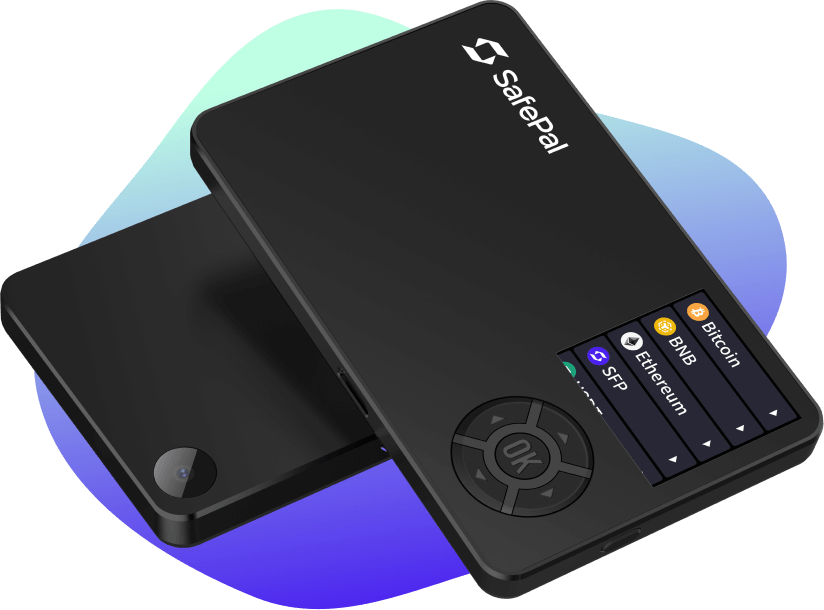
. SafePal S1 is a cryptocurrency hardware wallet that aims to provide a secure, simple, and enjoyable crypto management solution for the populace. SafePal is an hardware wallet to secure and manage cryptocurrencies and NFTs, such as Bitcoin, KAIA, Kaia Compatible Tokens (KCT), ETH and ERC20 tokens e.t.c.
In this guide, you will:
Add, Receive and Send KAIA, and any Kaia Compatible Tokens(KCT) with SafePal S1 Hardware Wallet
After you must have successfully set up your wallet, next is to see the wallet in action. In this tutorial we will be adding, receiving and sending KAIA native coin, and any Kaia Compatible Tokens(KCT) using the SafePal S1 Hardware Wallet.
To add crypto tokens to your hardware wallet, kindly follow the steps below:
Step 1
: Open the SafePal App and in your Wallet tab, click the ellipsis icon and then click the Manage Coins button as shown in the picture below:
Step 2
: Search for the coins you want to add, then toggle them on.
Native Tokens - KAIA
Type KAIA in the search bar and toggle it on.
Fungible Tokens - USDT
Type USDT Kaia in the search bar and toggle it on.
Step 3
: Click
Add Coin
at the bottom.
Step 4
: Scan back and forth between the SafePal App and the S1 hardware wallet, enter your device PIN code, so that the data is correctly synchronized between the App and the device.
Step 4
: After the coin has been added successfully, you can now view them in the
Asset Management
tab on the S1 device.
note
The steps above apply to adding any Kaia Compatible Tokens.
Once the coins (KAIA, KCTs) are successfully added, you can view them in the
Asset Management
tab on the S1 device. You can receive crypto tokens using the following approach:
To send crypto tokens from your hardware wallet, kindly follow the steps below:
Step 1
: On the SafePal App, choose the coin you want to send and click
Send
.
Native Tokens - KAIA
Fungible Tokens - USDT
Step 2
: Enter the destination address, amount, and click 'Next' to confirm the details again. Ensure to verify your transfer details in this step.
Step 3
: Initiate the signing process of the S1 device.
In this step, a QR code (as shown below) containing the transfer details will be displayed on the SafePal App. Start your S1 hardware wallet, and enter the
Scan
tab. Next is to scan the QR code on the SafePal App and enter your PIN code from your SafePal device.
Doing this ensures that the S1 device receives the transfer details in an offline environment.
Step 4
: Synchronize the signature back to the SafePal App
After successfully signing the transfer on the S1 device, you will see a set of dynamic QR codes shown on the S1 device. On the SafePal App, click 'Next' to open the cellphone camera. Use the SafePal App to scan the dynamic QR codes shown on the S1 device.
Doing this ensures the App receives the signature contained in the QR codes and is ready to broadcast the transfer to the blockchain (Kaia).
Step 5
: Click
Broadcast
on the App and wait for the transfer to go through
note
The steps above apply to sending any Kaia Compatible Tokens.