Safepal wallet app: Setup, S1 pairing, send and receive
Safepal wallet app Is a practical guide to setup, S1 pairing, send and receive
Safepal wallet app Is a mobile crypto wallet interface used to manage assets, pair with SafePal hardware devices, receive funds, prepare transfers, and broadcast signed transactions. For many users, the main value is the workflow: the phone handles viewing balances and building transactions, while a paired S1 device can keep private-key signing offline through QR code scanning. Users should still verify networks, addresses, app sources, and official instructions before moving crypto.
Safepal wallet app sits in a common place in the crypto stack: it is the everyday screen for checking assets, choosing coins, and starting actions, while the security model depends heavily on how the wallet was created, backed up, and used. The app can be used as a software wallet, but it is often discussed together with the SafePal S1 hardware wallet because that pairing creates an air-gapped signing routine. In plain terms, the phone helps you prepare the transaction, and the hardware wallet helps you approve it without plugging private keys into a browser.
Safepal wallet app is not a bank account, a recovery service, or a guarantee that every transfer will be reversible. Crypto transfers are usually final once confirmed on a blockchain. That is why a practical guide has to cover more than buttons. It needs to explain receiving addresses, chain selection, token support, QR signing, transaction review, and the small checks that prevent expensive mistakes. This page is informational and independent, and users should confirm details with official SafePal sources before relying on any specific feature or network status.
What is Safepal wallet app used for?
Safepal wallet app is used to manage digital assets from a mobile device, including checking supported coins, adding tokens, viewing addresses, sending transactions, and interacting with wallet features that may vary by region, device, and app version. The key idea is that the app gives users a familiar phone-based control panel for crypto, while optional hardware-wallet pairing can separate signing from the internet-connected phone.
For a new user, Safepal wallet app can feel like the place where everything happens: coins appear in the asset list, receive screens display QR codes, send screens request a destination and amount, and transaction history helps track movement. Behind that interface, each blockchain still has its own rules. A Bitcoin address is not the same as an Ethereum address, a token on one chain is not automatically the same token on another chain, and network fees are paid according to the chain being used.
Safepal wallet app is commonly relevant to people who want a single mobile view of several assets, people who are learning hardware-wallet signing, and people who need a QR-based workflow rather than a USB browser extension. It may also appeal to users who hold both native coins and tokens on supported networks. The important point is to treat the app as a wallet tool, not as a substitute for understanding the chain, token contract, destination address, and recovery setup behind each action.
How does Safepal wallet app work with the SafePal S1?
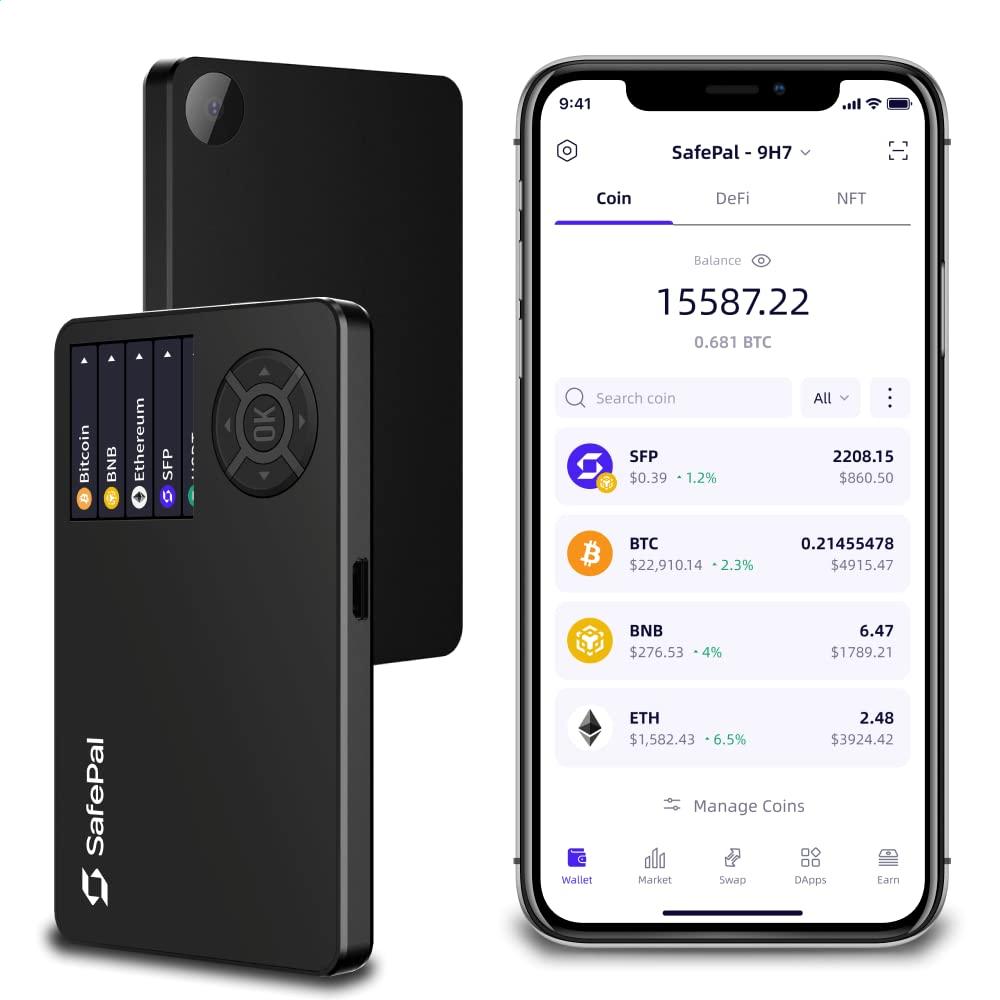
Safepal wallet app works with the SafePal S1 by passing transaction information back and forth through QR codes. The app prepares the transaction on the internet-connected phone, then displays data for the S1 to scan. The S1 reviews and signs that data in its own offline environment. After signing, the S1 shows dynamic QR codes containing the signature, and the app scans those codes so it can broadcast the transaction to the blockchain.
Safepal wallet app therefore plays the connected role, while the hardware wallet plays the signing role. This distinction matters. The mobile phone may need internet access to fetch balances, estimate fees, or broadcast a transaction, but the private-key approval can remain on the hardware device when the workflow is set up correctly. The user still has to inspect transaction details on the trusted device screen, because malware or a compromised phone could try to present misleading information before approval.
In practice, Safepal wallet app and S1 pairing is a rhythm: choose the asset, enter recipient details, review the transfer, scan from app to device, confirm on the S1, scan from device to app, and broadcast. A related walkthrough for device-focused users may sit under an internal page such as , while broader setup topics may fit under . The exact menus can change, so the safest habit is to follow current official guidance inside the app and on the hardware wallet screen.
How to get started with Safepal wallet app
Safepal wallet app setup starts before any funds arrive. Downloading from the correct source, checking the publisher, avoiding lookalike apps, and creating a secure recovery backup are all part of the first step. A wallet setup is only as strong as the seed phrase handling behind it. The recovery words should be kept offline, written clearly, protected from fire or loss when possible, and never typed into random websites, chat messages, forms, or support conversations.
Safepal wallet app users who pair an S1 device should complete the hardware setup carefully before adding large balances. That usually means initializing the device, recording the recovery phrase, setting a PIN, learning how the camera-based scan process works, and confirming that the app and device show the expected wallet. A small test transaction is often a sensible learning step, but it is not a guarantee. It simply helps confirm that the address, network, and receive workflow behave as expected.
Safepal wallet app also requires attention to asset selection. Many wallets let users add or hide coins from the asset view, and that visibility does not always mean funds have moved. If a token is not shown, it may need to be enabled, searched by network, or added with the correct contract details where supported. Users should be especially careful with similarly named tokens, wrapped assets, and stablecoins that exist on multiple chains.
Adding coins and tokens in Safepal wallet app
Safepal wallet app commonly uses an asset management flow where a user searches for a coin or token, enables it, and then sees it in the wallet view. This is helpful because it keeps the main screen from becoming cluttered, but it can also confuse beginners. Adding a token to the display is not the same as buying it or transferring it in. It simply tells the wallet interface to show that asset for the selected account or chain.
Safepal wallet app users should pay close attention to network names when adding tokens. A token such as USDT, for example, may exist on several chains, and sending the wrong network version to an address that does not support it can create a serious recovery problem. Native assets also differ from tokens. A native coin pays network fees on its own chain, while a token generally needs the chain's native coin available for gas.
Before adding or receiving a less familiar token, Safepal wallet app users should verify the asset through reliable official sources and avoid random contract addresses shared in private messages. Scam tokens, fake airdrops, and lookalike names are common in crypto wallets. A tidy wallet screen is useful, but the real defense is verifying what the token is, which chain it belongs to, and whether the wallet officially supports the activity you want to perform.
How do you receive crypto with Safepal wallet app?
Safepal wallet app can receive crypto by showing a wallet address and, in many cases, a QR code for the selected asset and network. The sender uses that address to create a transfer. The receiver should confirm that the displayed asset and chain match what the sender plans to send. Copying an address without checking the network is one of the most common ways people create avoidable problems.
Safepal wallet app may also work with the S1 hardware wallet to display or confirm receive information. When receiving funds, the safest routine is to compare the address shown in the app with the address shown on the hardware device where that workflow is available. A receive screen can be convenient, but the destination must still be verified. Address poisoning, clipboard malware, and copied lookalike addresses are real risks in the broader crypto environment.
Safepal wallet app users should wait for appropriate confirmations before treating a transfer as settled. Confirmation times and finality expectations vary by blockchain. A pending transaction may appear quickly, but exchanges, bridges, or other senders might require more confirmations before showing completion. If funds do not appear immediately, the next step is usually to check the transaction hash on the correct network explorer, not to re-enter a seed phrase or answer unsolicited support messages.
How do you send crypto with Safepal wallet app?
Safepal wallet app sending begins by selecting the asset, entering or scanning the destination address, choosing an amount, reviewing fees, and confirming the transaction details. If a hardware wallet is involved, the app prepares the transaction and the S1 signs it through QR code exchange. The final broadcast normally happens from the app after the signed data returns from the device.
Safepal wallet app users should slow down at the review screen. The destination address, amount, token, chain, and fee are all meaningful. If the S1 is being used, the hardware device screen is especially important because it is the place where the user should confirm what is actually being signed. Do not approve a transaction merely because the phone screen looks right. Verify on the device whenever device verification is part of the workflow.
Safepal wallet app transfers are usually irreversible once broadcast and confirmed. That does not mean every pending transaction is final the instant the button is tapped, but it does mean users should behave as though mistakes may be permanent. For larger transfers, some people send a small test amount first. That adds fees and time, but it can reduce uncertainty when dealing with a new address, new exchange deposit, or unfamiliar network.
Benefits of Safepal wallet app for everyday wallet management
Safepal wallet app is useful because it brings several wallet tasks into one mobile interface. Instead of treating hardware-wallet signing as a technical ceremony, the app helps make the workflow understandable: choose an asset, view a balance, receive with a QR code, or prepare a send transaction. The S1 pairing option can add a stronger separation between everyday phone use and private-key approval.
Safepal wallet app may be especially helpful for users who prefer QR code signing over cables or browser prompts. Air-gapped signing is not magic, but it reduces certain connection-based risks when used correctly. The app can also support multiple chains and token views depending on current compatibility, which helps users who manage more than one type of asset. Compatibility should always be verified before sending.
Common practical benefits include:
A mobile dashboard for balances, tokens, addresses, and transaction activity.
QR-based receive screens that are easier to share than long addresses.
Offline signing workflows when paired with a supported SafePal hardware wallet.
Token management tools for showing supported assets in the wallet view.
A clearer send flow that separates transaction preparation from hardware approval.
Safepal wallet app is still only one part of good wallet management. The user remains responsible for recovery backups, device security, network selection, and transaction review. A convenient wallet can reduce confusion, but it cannot make unsafe behavior safe.
Risks and safety checks before using Safepal wallet app
Safepal wallet app should be used with a security mindset because crypto wallets expose users to irreversible actions. The biggest risks are not always technical failures. Many losses come from phishing, fake support accounts, malicious links, seed phrase requests, wrong networks, approval scams, and rushed transactions. No legitimate wallet support process should need your recovery phrase to solve an app issue.
Safepal wallet app users should update only through trusted channels and be cautious with links from search ads, direct messages, social posts, and unknown websites. A fake app or fake wallet connection page can imitate familiar branding while trying to capture recovery words or trick users into approving a transaction. When in doubt, step away from the transaction and verify through official sources.
Before sending, Safepal wallet app users can run a short safety routine: check the asset, check the network, inspect the address, review the amount, verify fees, and confirm on the hardware device if using one. If a dApp or token approval is involved, understand what permission is being granted. Broad approvals can sometimes allow future token movement without a new manual send action, depending on the chain and contract.
Safepal wallet app security also depends on the phone. A compromised mobile device can still create misleading prompts, capture screenshots, or interfere with copied addresses. Hardware signing helps protect private keys, but it does not eliminate the need to inspect what is being signed. Keep the operating system reasonably current, use a strong device lock, and avoid installing unknown apps that request unnecessary permissions.
Safepal wallet app compared with other wallet options
Safepal wallet app belongs in a broader category that includes mobile software wallets, browser extension wallets, exchange wallets, and hardware-wallet companion apps. Compared with an exchange account, a self-custody wallet gives the user direct responsibility for keys and recovery. Compared with a browser wallet, a mobile and hardware QR workflow can reduce reliance on browser connections. Compared with a pure hardware-only experience, the app gives a more convenient daily interface.
Safepal wallet app is not automatically the best choice for every user. Someone who trades only inside a regulated exchange may prefer the exchange's simpler custody model, while someone who interacts heavily with desktop dApps may prefer a browser extension or another hardware-wallet ecosystem. Users who value offline signing, mobile asset management, and QR-based approval may find the SafePal approach more natural.
Safepal wallet app should be evaluated by supported chains, device compatibility, recovery model, app maintenance, user experience, and personal risk tolerance. The comparison is less about brand slogans and more about workflow fit. If you cannot clearly explain how you would recover the wallet, verify a receive address, and reject a suspicious signing request, it is worth practicing with tiny amounts before relying on any wallet for meaningful funds.
What should users remember before moving funds?
Safepal wallet app can make setup, S1 pairing, receiving, sending, and QR signing more approachable, but it does not remove the need for careful verification. The safest users build habits: download carefully, protect recovery words, confirm addresses, understand networks, inspect hardware-device prompts, and distrust unsolicited help. Those habits matter more than any single wallet feature.
Safepal wallet app is best understood as a tool for managing self-custody, not a promise of profit, protection from all mistakes, or guaranteed compatibility with every token. Crypto networks, wallet features, and supported assets can change. Before transferring significant value, verify current support, read the official instructions, and consider the consequences if a transaction cannot be reversed. A slower, clearer process is usually better than a fast transfer made with uncertainty.
Reader rating:
4.9 / 5
based on 921 ratings
Questions and Answers
What is Safepal wallet app used for?
Safepal wallet app is used to manage crypto assets from a mobile device, including viewing balances, adding supported coins or tokens, receiving funds, preparing send transactions, and broadcasting signed transactions. It is often used with the SafePal S1 hardware wallet, where the app prepares the transaction and the device signs it offline through QR code exchange.
How does Safepal wallet app pair with SafePal S1?
Safepal wallet app can pair with the SafePal S1 through a QR-based workflow. The app and hardware wallet scan information back and forth so wallet data can sync and transactions can be signed without a direct cable connection. Users should follow the current official setup steps, confirm the device screen carefully, and keep recovery words offline.
Is Safepal wallet app safe for sending crypto?
Safepal wallet app can be part of a safer workflow when downloaded from trusted sources, paired correctly, and used with careful transaction review. Safety still depends on user behavior. Always verify the recipient address, asset, network, and hardware-wallet prompt before approval. Never share a seed phrase, and treat unsolicited support messages or urgent links as high risk.
Can Safepal wallet app receive tokens on different networks?
Safepal wallet app may support many assets and networks, but users must verify the exact chain before receiving tokens. A token name can exist on multiple networks, and sending the wrong version to an unsupported address can create recovery problems. Check the selected asset, network, and address format before sharing a receive address or QR code.
Why does Safepal wallet app use QR codes with a hardware wallet?
QR codes allow Safepal wallet app and the SafePal S1 to pass transaction data and signatures without directly connecting the hardware wallet to the internet-connected phone. The app prepares and broadcasts the transaction, while the hardware device signs after user approval. This helps separate private-key signing from the online device, but users still need to inspect details carefully.
What should I check before sending funds from Safepal wallet app?
Before sending from Safepal wallet app, check the asset, destination address, network, amount, fee, and any memo or tag required by the recipient. If using SafePal S1, compare the transaction details on the hardware wallet screen before signing. For unfamiliar addresses or networks, a small test transfer can reduce uncertainty, though it adds time and fees.
Does adding a token in Safepal wallet app mean I own it?
No. Adding or enabling a token in Safepal wallet app usually means the wallet interface will display that asset if the account holds it. It does not create a balance, buy the token, or guarantee that a token is legitimate. Verify token contracts and network details through official sources, especially for unfamiliar assets or airdrops.
Hardware wallets reinvented the wheel by keeping private keys (needed for signing transactions) in an offline environment separate from internet connections, avoiding the numerous hacks or threats that arise from software wallets reliant on internet connectivity. This way, users' crypto assets are more secured and shielded from internet dangers brought on by software wallets.
One of such hardware wallets that has integrated with Kaia is
SafePal S1 Hardware Wallet
. SafePal S1 is a cryptocurrency hardware wallet that aims to provide a secure, simple, and enjoyable crypto management solution for the populace. SafePal is an hardware wallet to secure and manage cryptocurrencies and NFTs, such as Bitcoin, KAIA, Kaia Compatible Tokens (KCT), ETH and ERC20 tokens e.t.c.
In this guide, you will:
Add, Receive and Send KAIA, and any Kaia Compatible Tokens(KCT) with SafePal S1 Hardware Wallet
After you must have successfully set up your wallet, next is to see the wallet in action. In this tutorial we will be adding, receiving and sending KAIA native coin, and any Kaia Compatible Tokens(KCT) using the SafePal S1 Hardware Wallet.
To add crypto tokens to your hardware wallet, kindly follow the steps below:
Step 1
: Open the SafePal App and in your Wallet tab, click the ellipsis icon and then click the Manage Coins button as shown in the picture below:
Step 2
: Search for the coins you want to add, then toggle them on.
Native Tokens - KAIA
Type KAIA in the search bar and toggle it on.
Fungible Tokens - USDT
Type USDT Kaia in the search bar and toggle it on.
Step 3
: Click
Add Coin
at the bottom.
Step 4
: Scan back and forth between the SafePal App and the S1 hardware wallet, enter your device PIN code, so that the data is correctly synchronized between the App and the device.
Step 4
: After the coin has been added successfully, you can now view them in the
Asset Management
tab on the S1 device.
note
The steps above apply to adding any Kaia Compatible Tokens.
Once the coins (KAIA, KCTs) are successfully added, you can view them in the
Asset Management
tab on the S1 device. You can receive crypto tokens using the following approach:
To send crypto tokens from your hardware wallet, kindly follow the steps below:
Step 1
: On the SafePal App, choose the coin you want to send and click
Send
.
Native Tokens - KAIA
Fungible Tokens - USDT
Step 2
: Enter the destination address, amount, and click 'Next' to confirm the details again. Ensure to verify your transfer details in this step.
Step 3
: Initiate the signing process of the S1 device.
In this step, a QR code (as shown below) containing the transfer details will be displayed on the SafePal App. Start your S1 hardware wallet, and enter the
Scan
tab. Next is to scan the QR code on the SafePal App and enter your PIN code from your SafePal device.
Doing this ensures that the S1 device receives the transfer details in an offline environment.
Step 4
: Synchronize the signature back to the SafePal App
After successfully signing the transfer on the S1 device, you will see a set of dynamic QR codes shown on the S1 device. On the SafePal App, click 'Next' to open the cellphone camera. Use the SafePal App to scan the dynamic QR codes shown on the S1 device.
Doing this ensures the App receives the signature contained in the QR codes and is ready to broadcast the transfer to the blockchain (Kaia).
Step 5
: Click
Broadcast
on the App and wait for the transfer to go through
note
The steps above apply to sending any Kaia Compatible Tokens.